
Hot Springs National Park, Arkansas: Complete Visitor Guide
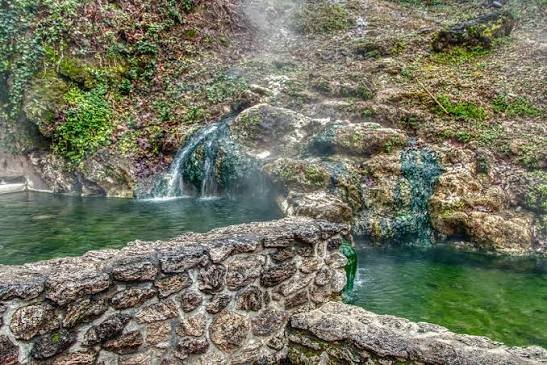
Hot Springs National Park is unlike most national parks in the United States. Instead of protecting a remote wilderness, it preserves a historic spa district, naturally heated spring water and forested mountains directly beside the city of Hot Springs, Arkansas. Visitors can walk Bathhouse Row, learn how thermal water shaped the city, hike wooded trails and even soak in traditional bathhouses that still operate today.
Hot Springs National Park at a glance
- Location: Hot Springs, Arkansas
- Best known for: Bathhouse Row, thermal springs and historic architecture
- Best for: history, easy hiking, scenic drives and spa experiences
- Typical visit: half a day to two days
Why Hot Springs is special
The park protects naturally heated water that emerges from Hot Springs Mountain at roughly 143°F. Rainwater seeps deep underground, is heated geothermally and returns to the surface through faults and fractures. For generations, people have traveled here believing the water offered restorative benefits.
Hot Springs Reservation was established in 1832, decades before Yellowstone became the first national park. The area later became a national park in 1921.
Bathhouse Row
Bathhouse Row is the heart of the park. Eight historic bathhouse buildings line Central Avenue, each reflecting the era when Hot Springs was one of America’s leading health resorts. The Fordyce Bathhouse now serves as the park visitor center and museum, providing one of the best introductions to the site.
Some bathhouses remain active, allowing visitors to book traditional thermal baths or modern spa treatments. Reservations are recommended if bathing is an important part of your visit.
Can you touch the thermal water?
Yes, but use caution. Several display springs and fountains allow visitors to see or collect the thermal water, while some locations provide drinking fountains. The spring water is naturally very hot, so never put your hand directly into an open spring.
Locals and visitors often bring containers to fill with the park’s thermal water at approved fountains.
Hiking above the city
The surrounding mountains contain a surprisingly extensive trail network. Hot Springs Mountain and North Mountain trails climb directly from the historic district into forest, while longer routes extend deeper into the park.
For an easy combination of scenery and history, walk the Grand Promenade behind Bathhouse Row before connecting to nearby mountain trails.
Hot Springs Mountain Tower and scenic driving
A scenic road climbs Hot Springs Mountain, offering overlooks above the city and surrounding Ouachita Mountains. The Hot Springs Mountain Tower, operated separately from the National Park Service, provides a higher panoramic viewpoint for an additional fee.
Visitors with limited time can combine Bathhouse Row with the scenic drive and one short trail in a single day.
Where to stay
Unlike remote national parks, Hot Springs has a large selection of hotels, restaurants and services immediately outside the park. Gulpha Gorge Campground provides a more traditional national park camping experience beside Gulpha Creek.
Best time to visit
Spring and fall are especially comfortable for hiking. Summer can be hot and humid, but the bathhouse district remains easy to explore. Winter is quieter and can suit visitors focused on history, architecture and thermal bathing.
Useful tips before you go
- Start at the Fordyce Bathhouse visitor center.
- Book a bathhouse treatment in advance if you want a thermal soak.
- Bring refillable containers if you plan to collect spring water.
- Wear comfortable shoes; the mountain trails begin close to downtown but climb quickly.
- Allow time to explore the surrounding city, which developed around the springs.
Interesting facts about Hot Springs
It began as a federal reservation in 1832. That makes federal protection of the springs older than the national park system itself.
The park and city overlap. Central Avenue effectively forms the boundary between historic park buildings and the commercial downtown.
Baseball history runs through Hot Springs. Major League teams and famous players once used the city for spring training and therapeutic bathing.
Is Hot Springs National Park worth visiting?
Yes, particularly if you enjoy parks that combine nature with architecture and cultural history. It is easy to visit, walkable and completely different from the large wilderness parks of the American West.
For current bathhouse information, trail conditions and visitor details, see the official Hot Springs National Park website.

