
Yosemite National Park, California: Complete Visitor Guide
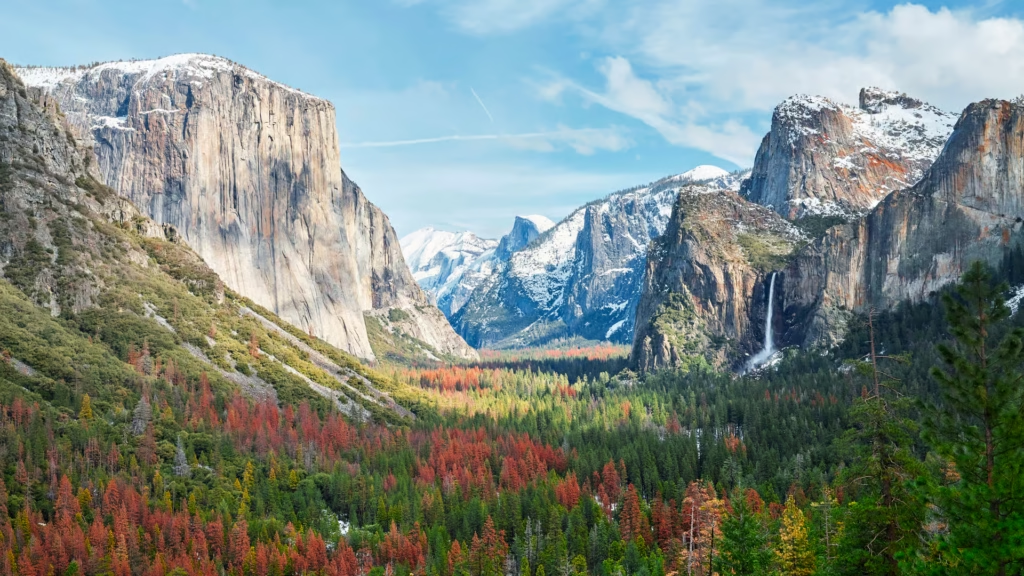
Yosemite National Park is one of the great mountain landscapes of the United States. Granite walls rise almost vertically from Yosemite Valley, waterfalls plunge from hanging valleys, giant sequoias grow in protected groves and high-country roads lead toward alpine lakes and meadows. The park is enormous, but most first-time visitors begin in Yosemite Valley, where many of the best-known landmarks are concentrated.
Yosemite at a glance
- State: California
- Best known for: Yosemite Valley, Half Dome, El Capitan, waterfalls and giant sequoias
- Best for: hiking, photography, climbing, scenic drives and camping
- Most popular season: late spring through early fall
Why Yosemite is special
Yosemite combines dramatic geology with extraordinary ecological variety. The park rises from lower-elevation forest to alpine terrain above 13,000 feet, while glaciers, rivers and erosion have sculpted the granite landscape over millions of years.
Yosemite Valley contains a remarkable concentration of famous sights within a relatively small area. El Capitan, Half Dome, Yosemite Falls, Bridalveil Fall and the Merced River can all be experienced from roads, trails and viewpoints around the valley floor.
Yosemite Valley
The valley is the best starting point for a first visit. Walking and shuttle routes connect major trailheads, viewpoints and visitor facilities. Short walks can lead to Lower Yosemite Fall, Cook’s Meadow and the base of Bridalveil Fall, while longer hikes climb toward Vernal Fall, Nevada Fall and viewpoints above the valley.
Traffic can become heavy in peak season, so using the park shuttle and moving around on foot or by bicycle is often easier than repeatedly driving between stops.
Glacier Point and Tunnel View
Tunnel View is one of the most famous roadside viewpoints in America, framing El Capitan, Half Dome and Bridalveil Fall together. Glacier Point provides a much higher perspective across Yosemite Valley and the surrounding Sierra Nevada.
Road access to higher viewpoints is seasonal and can be affected by snow well into spring, so always check current conditions before planning a route.
Waterfalls
Yosemite’s waterfalls are generally strongest in spring and early summer as snow melts in the high country. Yosemite Falls is one of the tallest waterfall systems in North America. Bridalveil Fall is visible from many points in the valley, while Vernal and Nevada Falls are major hiking destinations along the Mist Trail corridor.
By late summer, some waterfalls may be greatly reduced or nearly dry depending on the winter snowpack.
Giant sequoias
Mariposa Grove contains hundreds of mature giant sequoias, including some of the park’s oldest and most impressive trees. Smaller groves are found at Tuolumne and Merced. Visiting a sequoia grove adds a completely different experience to the granite scenery of the valley.
Hiking
Yosemite offers everything from flat valley walks to strenuous wilderness routes. Popular hikes include Mirror Lake, the Mist Trail, Four Mile Trail and routes around Tuolumne Meadows. The hike to Half Dome requires a permit for the cable section when the cables are up.
Elevation, heat and steep terrain can make distances more demanding than they appear on a map. Carry water and food, and start early for longer hikes.
Camping and lodging
Campgrounds and lodging inside Yosemite are in extremely high demand. Reservations can disappear quickly, especially for Yosemite Valley in summer. Staying outside the park is possible, but driving times can be much longer than expected because of mountain roads and traffic.
Best time to visit
Late spring offers powerful waterfalls and green valley scenery. Summer provides the best access to high-country roads but also brings the largest crowds. Fall is quieter and excellent for hiking, while winter transforms Yosemite Valley into a colder, often snowy landscape with limited high-country access.
Useful tips
- Check whether an entry reservation system is in effect for your travel dates.
- Arrive early to avoid peak traffic and parking pressure.
- Use shuttles and walking paths inside Yosemite Valley.
- Check road openings before planning Glacier Point or Tioga Road.
- Store food correctly because black bears are active throughout the park.
- Carry layers; temperatures vary greatly by elevation.
Interesting facts
Yosemite helped inspire the national park idea. Federal protection of Yosemite Valley and Mariposa Grove began in 1864, before Yosemite became a national park in 1890.
El Capitan is a global climbing landmark. Its immense granite face attracts elite climbers from around the world.
Most visitors see only a small fraction of the park. Yosemite Valley covers only a tiny part of Yosemite’s total area.
Is Yosemite worth visiting?
Yes. Yosemite’s combination of accessibility and dramatic scenery makes it one of the most rewarding national parks for both first-time visitors and experienced hikers. A single day can cover major valley viewpoints, but three or more days allow a much better balance between sightseeing and hiking.
For current road conditions, reservations, permits and closures, visit the official Yosemite National Park website.

