
Hammonasset Beach State Park, Connecticut: Complete Visitor Guide
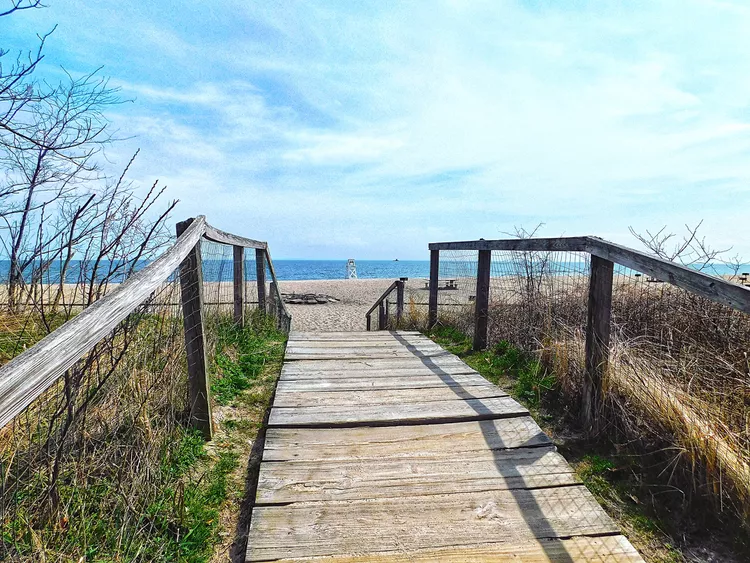
Hammonasset Beach State Park is Connecticut’s largest shoreline park and one of the state’s most popular summer destinations. Stretching along Long Island Sound in Madison, the park combines more than two miles of beach with a boardwalk, campground, picnic areas, coastal wetlands and the Meigs Point Nature Center.
Hammonasset Beach at a glance
- Location: Madison, Connecticut
- Best known for: long sandy beaches and Long Island Sound views
- Best for: swimming, walking, picnics, camping, birding and family trips
- Typical visit: half day to a full weekend
Why Hammonasset is special
Connecticut’s coastline is heavily developed, which makes a large protected beach park especially valuable. Hammonasset offers enough space for beachgoers, walkers and campers to spread out, while tidal marshes and rocky shoreline around Meigs Point create good wildlife habitat.
The beach
The park has more than two miles of shoreline divided into several beach areas. The water of Long Island Sound is generally calmer than the open Atlantic, making the park popular with families. Conditions, lifeguard coverage and swimming access vary by season, so visitors should follow posted guidance.
Summer weekends can be extremely busy. Arriving early improves parking options and gives you more space near the water.
Boardwalk and walking
A broad boardwalk parallels part of the beach and is one of the easiest ways to enjoy the shoreline without committing to a long hike. Flat roads and paths also make the park suitable for casual cycling.
Meigs Point Nature Center
The Meigs Point Nature Center focuses on the ecology of the Connecticut shoreline. Programs and exhibits introduce visitors to local marine life, birds and coastal habitats. The rocky point around the center is also a good place to explore a different kind of shoreline from the main sandy beach.
Camping
Hammonasset has a large seasonal campground, making it possible to spend several days beside the coast. Sites are popular in summer and should be reserved well ahead for weekends and holidays.
Birding and wildlife
Tidal wetlands, beach habitat and nearby woodland attract shorebirds and migratory species. Early morning and quieter shoulder-season visits are especially good for birding.
Best time to visit
Summer is the main swimming season and the busiest period. Late spring and early fall offer comfortable walking weather with smaller crowds. Winter is quiet and exposed but can be excellent for coastal walks and birdwatching.
Useful tips
- Arrive early on warm summer weekends.
- Check current parking and swimming information before leaving home.
- Bring sun protection; shade is limited on the beach.
- Explore Meigs Point as well as the main beach areas.
- Reserve camping well in advance for peak dates.
- Respect protected dunes and wildlife areas.
Interesting facts
It is Connecticut’s largest shoreline park. The long beachfront gives it a scale that is unusual on the state’s densely populated coast.
The name Hammonasset comes from an Indigenous place name. Native peoples lived along this coastline long before European settlement.
The park opened to the public in 1920. It quickly became one of Connecticut’s most important recreational areas.
Is Hammonasset Beach State Park worth visiting?
Yes. It is one of the easiest places in Connecticut to combine a classic beach day with walking, camping and nature. For visitors traveling the New England coast, it is a strong stop between New Haven and the southeastern Connecticut shoreline.
For current fees, campground reservations, seasonal services and closures, visit the official Connecticut state park page.

