
Cape Henlopen State Park, Delaware: Complete Visitor Guide
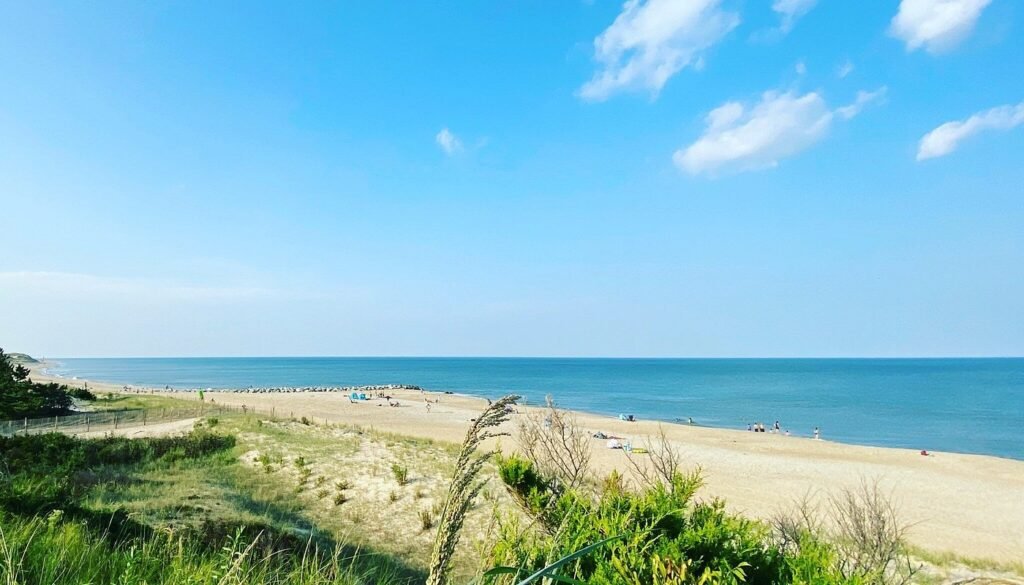
Cape Henlopen State Park sits where Delaware Bay meets the Atlantic Ocean, protecting beaches, dunes, maritime forest and a coastline shaped by both nature and military history. Located beside Lewes, the park is one of Delaware’s most varied outdoor destinations, with swimming, cycling, fishing, camping and historic Fort Miles all within the same protected area.
Cape Henlopen at a glance
- Location: Lewes, Delaware
- Best known for: beaches, dunes, cycling and Fort Miles
- Best for: swimming, fishing, biking, walking, camping and history
- Typical visit: half a day to two days
Why Cape Henlopen is special
The cape occupies a strategic point at the mouth of Delaware Bay. Sandy beaches face both the bay and the Atlantic, while inland trails pass through dunes and coastal forest. That variety makes the park useful even when beach weather is imperfect.
Beaches and swimming
The park has popular swimming beaches during the warmer months. Water conditions differ between the bay and ocean-facing shoreline, so always follow lifeguard instructions and posted warnings. Summer weekends are busy and parking can fill.
Cycling and trails
Cape Henlopen is particularly good for bicycles. The Junction and Breakwater Trail connects the Lewes and Rehoboth Beach area, while park roads and internal trails offer scenic riding through dunes and forest. The Gordon’s Pond area is another popular route for walking and cycling.
Fort Miles
During World War II, the cape became part of a major coastal-defense system protecting Delaware Bay and approaches to Philadelphia. Fort Miles preserves bunkers, artillery and observation towers from that era. Museums and guided activities add an unusual historical dimension to a beach visit.
Fishing
Surf fishing is one of the park’s signature activities. Delaware has specific permits and rules for vehicle access on designated surf-fishing beaches, so check current requirements before planning to drive onto the sand.
Camping
The park campground provides tent and RV sites close to the coast. Reservations are highly recommended in summer and on holiday weekends.
Wildlife and nature
Coastal dunes and wetlands attract shorebirds and migratory species. Osprey are commonly seen, and the park’s changing mix of bay, ocean and forest habitats makes it a strong birding location throughout the year.
Best time to visit
Summer is ideal for swimming but busiest. Spring and fall are excellent for biking, walking and birding, with cooler temperatures and fewer crowds. Winter can be windy but offers quiet beaches and open views.
Useful tips
- Arrive early in summer.
- Bring a bicycle if possible; the park is well suited to riding.
- Check surf-fishing permit rules before bringing a vehicle onto the beach.
- Allow time for Fort Miles rather than treating the park only as a beach stop.
- Protect dune vegetation by staying on designated paths.
Interesting facts
William Penn designated the area for public use in 1682. The cape has a long history as common land.
Concrete observation towers still line the Delaware coast. They were built to help defend the bay during World War II.
The park sits at a major geographic transition. Visitors can experience Delaware Bay and Atlantic Ocean environments within a short distance.
Is Cape Henlopen State Park worth visiting?
Yes. It combines a strong beach experience with cycling, nature and history better than almost any other park in Delaware. It is also easy to combine with a visit to Lewes or nearby Rehoboth Beach.
For current entry fees, camping, beach conditions and programs, visit the official Delaware State Parks page.

