
Indiana Dunes National Park, Indiana: Complete Visitor Guide
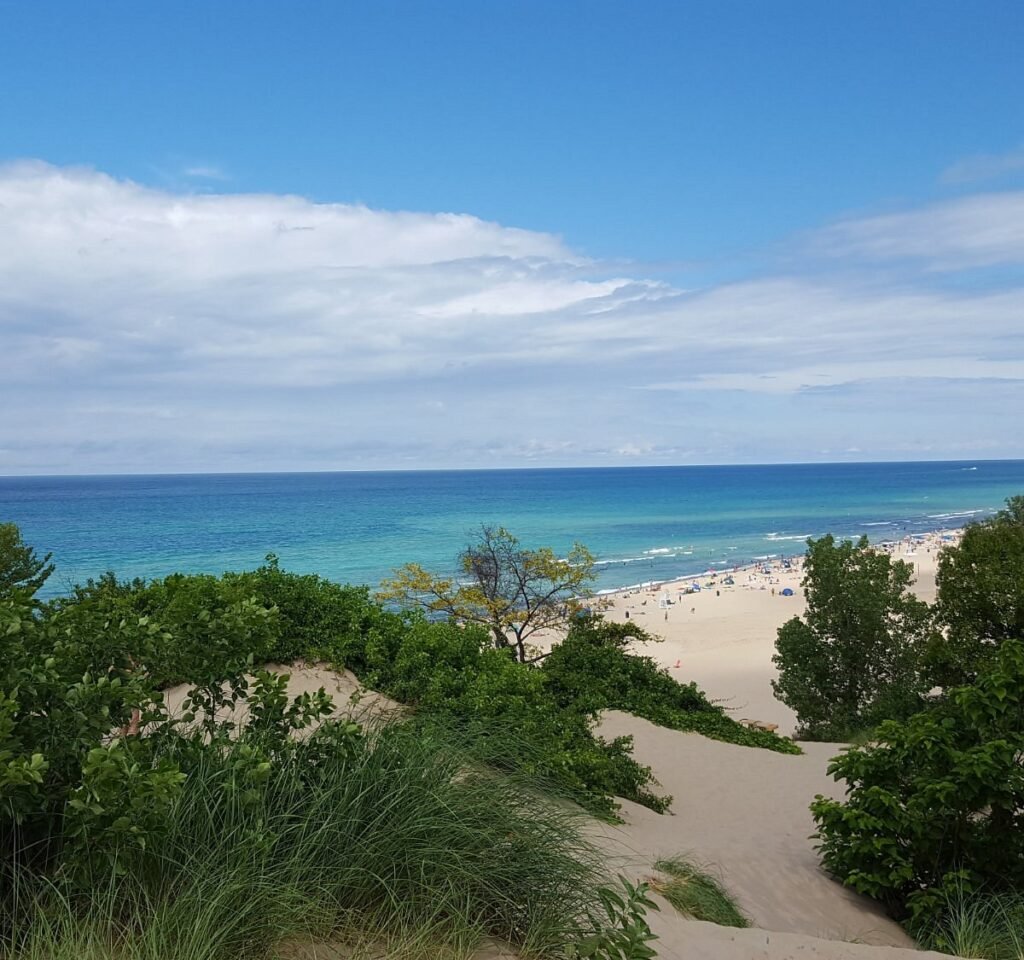
Indiana Dunes National Park protects a surprisingly diverse stretch of Lake Michigan shoreline only about an hour from Chicago. The park combines sandy beaches, tall dunes, wetlands, prairie, oak savanna and forest, making it one of the most ecologically varied national parks in the Midwest.
Indiana Dunes at a glance
- State: Indiana
- Best known for: Lake Michigan beaches, dunes and biodiversity
- Best for: hiking, swimming, birding, photography and day trips
- Typical visit: half a day to two days
Why Indiana Dunes is special
The park protects multiple natural communities packed into a narrow strip along Lake Michigan. Within a short distance, visitors can move from beach and open dunes into wetlands, forest and prairie. This diversity supports an unusually large number of plant and bird species.
Beaches
Lake Michigan is the main attraction during summer. Popular beach areas include West Beach and several access points farther east. Water conditions can change quickly, and strong currents are possible, so follow posted swimming warnings and lifeguard guidance where available.
Dune hiking
Some of the best walks climb sandy ridges for elevated views over Lake Michigan. The Dune Succession Trail at West Beach demonstrates how plant communities change as dunes stabilize over time, while other trails explore forest and wetland habitat.
Walking on loose sand is much more tiring than walking the same distance on a normal trail, especially during hot weather.
Mount Baldy
Mount Baldy is one of the park’s largest moving dunes. Access is managed carefully because the dune is actively shifting and has experienced safety concerns in the past. Visitors should obey closures and use designated routes.
Birding and wildlife
The southern shore of Lake Michigan is an important migration corridor. Spring and fall can be excellent for birdwatching, with large numbers of migratory species moving along the lakeshore. Deer, small mammals and many reptiles and amphibians also live in the park.
Getting around
Indiana Dunes is not a single compact unit. Park lands are interwoven with communities, roads, state park land and industrial areas. Planning the specific beach or trail you want to visit before arriving makes the day much easier.
Indiana Dunes State Park
The national park and Indiana Dunes State Park are separate areas with different entrance systems and facilities. The state park contains its own beach, campground and popular dune trails. Many visitors combine both, but fees and rules are not interchangeable.
Best time to visit
Summer is best for swimming but also the busiest season. Spring and fall are excellent for hiking and birding. Winter brings quiet beaches, frozen landscapes and possible lake-effect snow.
Useful tips
- Decide which beach or trail you want before driving into the area.
- Arrive early on summer weekends.
- Check lake conditions before swimming.
- Bring water for sandy hikes.
- Do not confuse the national park with the adjacent state park.
- Use boardwalks and marked trails to protect fragile dunes.
Interesting facts
The park is one of the most biodiverse units in the National Park System. Its small area contains an exceptional range of habitats.
The dunes helped shape ecological science. Early studies of plant succession in this area became influential in ecology.
Chicago can sometimes be seen across the lake. On very clear days, the skyline may appear on the western horizon.
Is Indiana Dunes National Park worth visiting?
Yes, especially for travelers in Chicago or the Midwest who want a mix of beach and hiking without a long journey. It is less visually dramatic than western national parks, but its ecological variety and easy access make it distinctive.
For current entrance fees, beach conditions, closures and trail information, visit the official Indiana Dunes National Park website.

