
Maquoketa Caves State Park, Iowa: Complete Visitor Guide
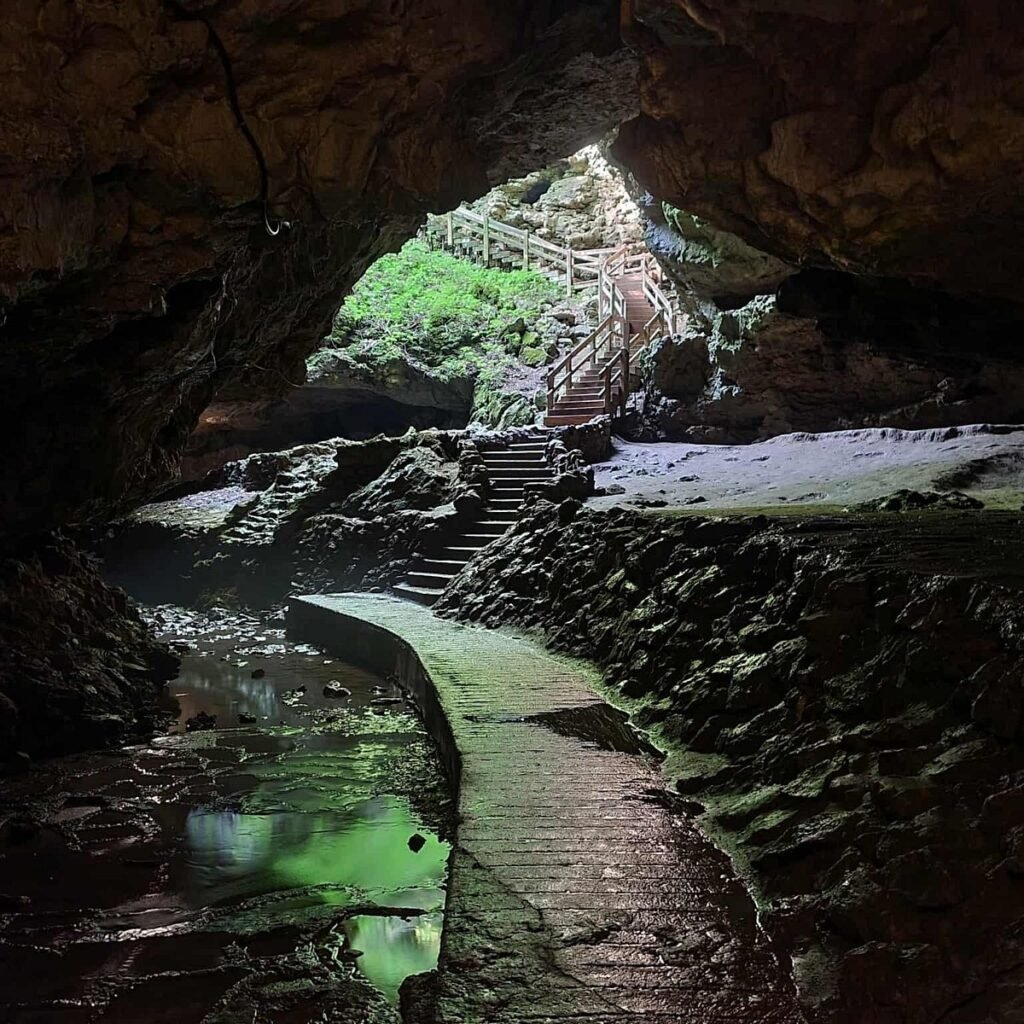
Maquoketa Caves State Park is one of Iowa’s most unusual outdoor destinations. Located near the town of Maquoketa, the park protects a concentration of caves, limestone bluffs, wooded ravines and hiking trails that let visitors explore both above and below ground.
Maquoketa Caves at a glance
- Location: Near Maquoketa, Iowa
- Best known for: accessible caves and limestone formations
- Best for: hiking, cave exploration, family trips and camping
- Typical visit: half a day to a full day
Why Maquoketa Caves is special
Iowa is not usually associated with cave country, which makes Maquoketa especially memorable. The park contains numerous caves formed in limestone, ranging from large passages that can be walked through upright to narrow openings suited only to more adventurous visitors.
Dancehall Cave
Dancehall Cave is the park’s best-known cave and one of the easiest to explore. A developed route passes through a substantial underground passage, making it a good starting point for first-time visitors before trying smaller caves.
Smaller caves
Other caves require crawling, crouching or navigating rough surfaces. Conditions can be muddy even in dry weather, so old clothes and sturdy footwear are useful. Never enter a cave beyond your comfort level, and keep children closely supervised.
Hiking trails
Trails connect cave entrances, forest, natural bridges and limestone outcrops. The park’s terrain is more rugged than many visitors expect, with stairs, slopes and uneven surfaces between attractions.
Cave safety and conservation
Caves are fragile environments. Visitors should avoid touching delicate formations, disturbing wildlife or leaving anything behind. Bat-protection measures and seasonal restrictions may affect cave access, so checking current park notices before visiting is important.
Camping
The park includes a campground for visitors who want more time to explore. Staying overnight also makes it easier to hike during cooler morning and evening hours.
Best time to visit
Late spring through fall is the most popular period. Summer offers green forest and easier road conditions, but caves remain cool and can feel damp. Autumn adds fall color to the above-ground trails. Winter conditions may limit access to some areas.
What to bring
- Sturdy shoes with good grip.
- Clothes that can get muddy.
- A flashlight or headlamp for darker passages.
- Water for hiking between caves.
- A light layer because cave temperatures are cooler than outside.
Useful tips
- Start with Dancehall Cave before entering smaller passages.
- Check for cave closures before driving to the park.
- Do not rely solely on a phone flashlight.
- Stay on marked trails above ground.
- Never squeeze into a passage if you are unsure you can exit safely.
Interesting facts
The park contains more caves than most visitors can explore in a single trip. They vary greatly in size and difficulty.
Its geology reflects Iowa’s ancient marine past. The limestone formed from sediments deposited when the region was covered by shallow seas.
The park’s surface scenery is almost as important as the caves. Natural bridges, forest and ravines make the hiking worthwhile even for visitors who prefer not to crawl underground.
Is Maquoketa Caves State Park worth visiting?
Yes. It is one of the most distinctive state parks in the Midwest and a particularly good choice for families and travelers who want something different from a standard hiking park.
For current cave access, camping information, alerts and park rules, visit the official Iowa Department of Natural Resources page.

