
Acadia National Park, Maine: Complete Visitor Guide
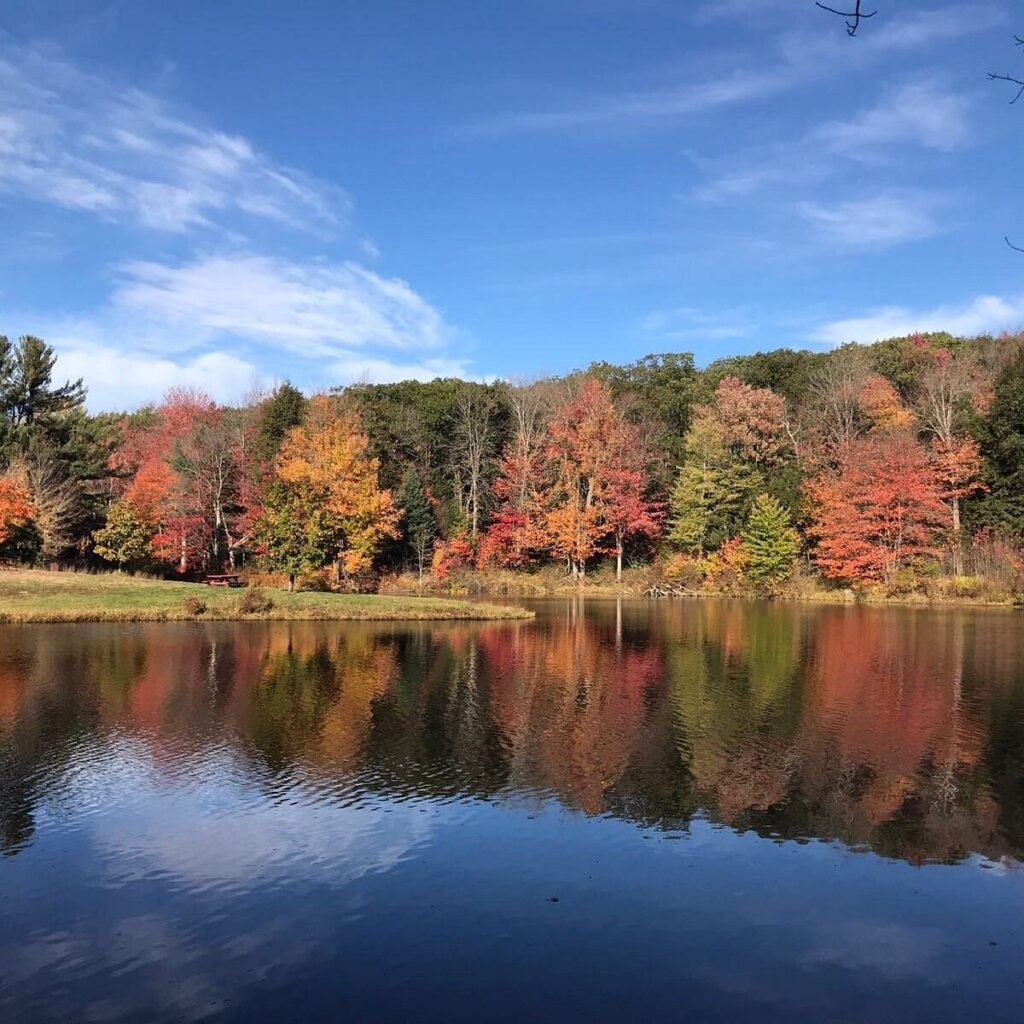
Acadia National Park is one of the most distinctive national parks in the eastern United States. Located primarily on Mount Desert Island along Maine’s rocky coast, it combines granite mountains, ocean cliffs, forests, lakes, historic carriage roads and small coastal communities in a compact area.
The park is ideal for travelers who want dramatic scenery without the huge driving distances found in many western national parks.
Acadia National Park at a glance
- Location: coastal Maine
- Best for: hiking, scenic drives, cycling, sunrise views and coastal landscapes
- Signature locations: Cadillac Mountain, Jordan Pond, Sand Beach and Thunder Hole
- Visit length: two to four days is ideal
Cadillac Mountain
Cadillac Mountain is one of Acadia’s most famous viewpoints and one of the highest points on the eastern seaboard. The summit can be reached by road or trail and offers wide views over Mount Desert Island and the Atlantic.
Vehicle access to Cadillac Summit Road uses a seasonal reservation system during busy periods. These reservations are separate from the general park entrance pass, so visitors should check the current National Park Service requirements before arrival.
Park Loop Road
The Park Loop Road links many of Acadia’s best-known sights. Popular stops include Sand Beach, Thunder Hole, Otter Point and Jordan Pond. Traffic can be heavy in peak season, so early morning travel is often the easiest way to visit the most popular areas.
The Island Explorer shuttle system can also reduce the need to drive and search for parking during its operating season.
Hiking
Acadia has trails for almost every ability level. Easy walks circle lakes and follow the coastline, while steeper mountain routes use granite steps, iron rungs and exposed sections.
Some of the famous ladder trails are not suitable for visitors uncomfortable with heights. Trail conditions can become slippery after rain or in cold weather, so footwear matters even on relatively short hikes.
Carriage roads and cycling
The historic carriage road network is one of Acadia’s most unusual features. These crushed-stone roads were designed for non-motorized travel and are popular with cyclists and walkers.
Stone bridges, wooded sections and lake views make the carriage roads an excellent alternative to the busier roadside attractions.
Best time to visit
Summer offers the fullest range of services but also the biggest crowds. Early fall is famous for foliage and cooler hiking weather. Spring is quieter but can be wet and muddy. Winter transforms the park into a much more remote destination with reduced road access and services.
Practical tips
- Reserve Cadillac Mountain vehicle access if required for your dates.
- Start early to avoid parking congestion.
- Use the Island Explorer shuttle when available.
- Bring layers because coastal weather can change quickly.
- Check trail closures, particularly on routes affected by nesting peregrine falcons.
- Allow time for both mountain and coastal areas.
Is Acadia National Park worth visiting?
Absolutely. Acadia packs an unusual amount of variety into a relatively small area. The combination of mountains, ocean, historic roads and accessible viewpoints makes it one of the best national parks for travelers who want to mix hiking with scenic driving and relaxed coastal exploration.
Official information
For current fees, Cadillac Mountain reservations, road conditions, alerts and shuttle information, visit the official National Park Service website.

