
Presque Isle State Park, Pennsylvania: Complete Visitor Guide
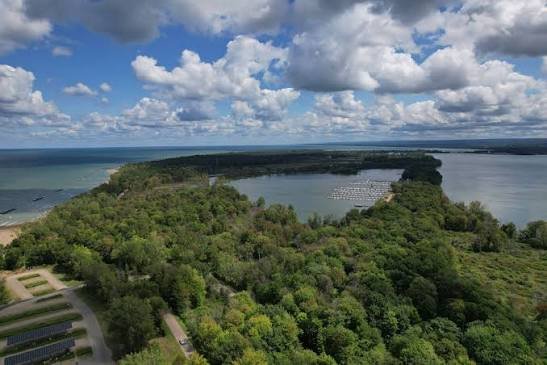
Presque Isle State Park is a curved sandy peninsula extending into Lake Erie beside the city of Erie, Pennsylvania. Its beaches, lagoons, forests, wetlands and paved trails make it one of the state’s most varied outdoor destinations.
The park feels coastal despite being hundreds of miles from the ocean, and summer visitors come for swimming and beaches while birders and cyclists use it throughout much of the year.
Presque Isle at a glance
- Location: Erie, Pennsylvania
- Best for: beaches, cycling, birding, boating and sunsets
- Setting: Lake Erie peninsula
- Visit length: half day to full day
Beaches
Presque Isle has multiple sandy beaches spread around the peninsula. Swimming conditions and lifeguard coverage vary by season and location, so visitors should use designated areas and follow posted guidance.
Lake Erie can develop waves and currents that surprise visitors who expect completely calm inland water.
Cycling and walking
A paved multi-use trail loops through much of the park and is one of the easiest ways to explore without constantly moving the car. The mostly flat terrain makes it suitable for casual cyclists as well as runners and walkers.
Birding and wildlife
The peninsula is an important stop for migrating birds and one of Pennsylvania’s best-known birding locations. Wetlands, shoreline and wooded habitats support a wide range of species throughout the year.
Spring and fall migration periods are particularly rewarding for wildlife enthusiasts.
Boating and lagoons
Kayaks, canoes and other small craft can explore calmer interior waters, while Lake Erie offers broader boating opportunities. Wind conditions can change rapidly on the open lake, so paddlers should check forecasts carefully.
Sunsets
Presque Isle is one of the best places in Pennsylvania to watch the sun set over open water. Western-facing beaches and shoreline areas can become busy in the evening during summer.
Best time to visit
Summer is the main beach season. Spring and fall are excellent for cycling and birding, while winter brings a quieter landscape and occasional snow and ice conditions.
Practical tips
- Arrive early on hot summer weekends.
- Check swimming and beach conditions.
- Bring binoculars during migration seasons.
- Use the multi-use trail to avoid repeated parking stops.
- Stay for sunset if weather is clear.
Is Presque Isle worth visiting?
Yes. Its mix of beaches, wildlife, cycling and lake scenery makes it one of Pennsylvania’s most complete parks for a day outdoors.
Official information
For current beach, facility and park information, visit the official Pennsylvania DCNR website.

