
Zion National Park, Utah: Complete Visitor Guide
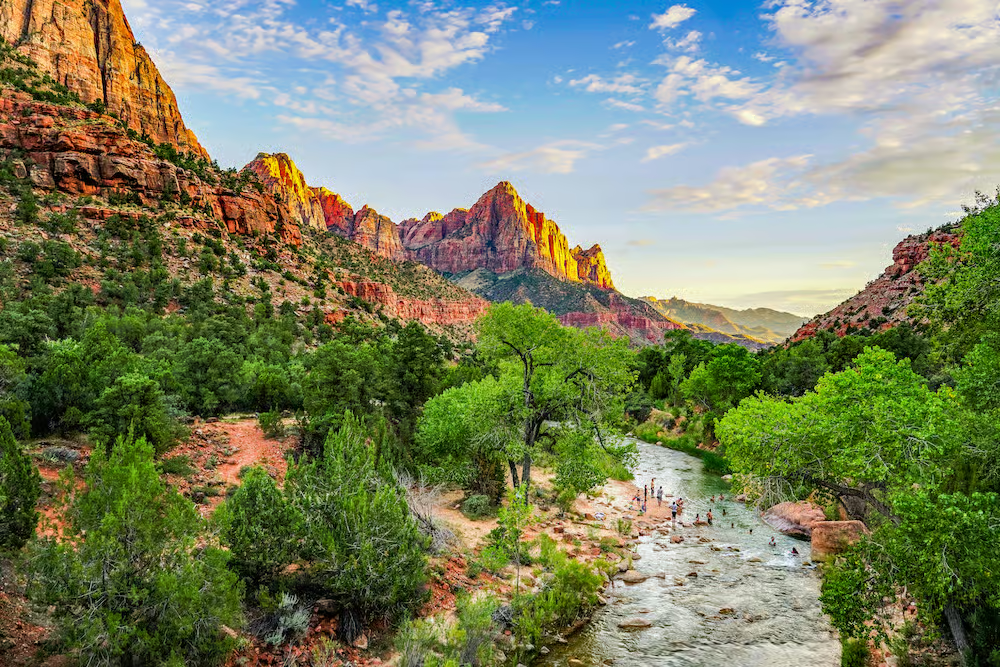
Zion National Park is one of Utah’s most dramatic landscapes, where towering sandstone cliffs rise above the Virgin River and narrow canyons cut through layers of red and cream rock. Its combination of iconic hikes, scenic roads and relatively compact main canyon makes it one of the most popular national parks in the American Southwest.
Popularity also means planning matters. Shuttle operations, parking, trail permits and seasonal conditions can strongly affect a visit.
Zion National Park at a glance
- Location: southwestern Utah
- Best for: canyon hiking, scenery, photography and geology
- Main area: Zion Canyon
- Visit length: one to three days
Zion Canyon
The main canyon contains many of the park’s best-known sights, including the Court of the Patriarchs, Emerald Pools and the Temple of Sinawava. During much of the busy season, private vehicles are restricted on Zion Canyon Scenic Drive and visitors use the park shuttle.
Angels Landing
Angels Landing is famous for its steep final ridge and huge canyon views. The chain-assisted section is exposed and not suitable for everyone. A permit system applies to the Angels Landing hike, so visitors should check current rules well before traveling.
The Narrows
The Narrows follows the Virgin River through a slot-like canyon where hiking often means walking directly in the water. Conditions depend heavily on river flow, flash-flood risk and water temperature. Proper footwear and current condition checks are essential.
Other hikes and viewpoints
Visitors who prefer less exposed routes can choose from Riverside Walk, Canyon Overlook, Watchman Trail and several shorter walks. Kolob Canyons in the park’s northwest corner offers a quieter alternative to the main canyon.
Best time to visit
Spring and fall generally provide the most comfortable hiking temperatures. Summer is hot and crowded, with monsoon storms creating flash-flood danger. Winter is quieter and can bring snow or ice to higher trails.
Practical tips
- Check shuttle schedules before arrival.
- Apply for required hiking permits in advance.
- Never enter narrow canyons when flash floods are possible.
- Start popular hikes early.
- Carry plenty of water and sun protection.
Is Zion National Park worth visiting?
Yes. Few parks combine such dramatic vertical scenery with so many accessible hikes, but good planning is essential during busy periods.
Official information
For current shuttle schedules, permits, trail closures and weather alerts, visit the official National Park Service website.

