
El Dorado State Park, Kansas: Complete Visitor Guide
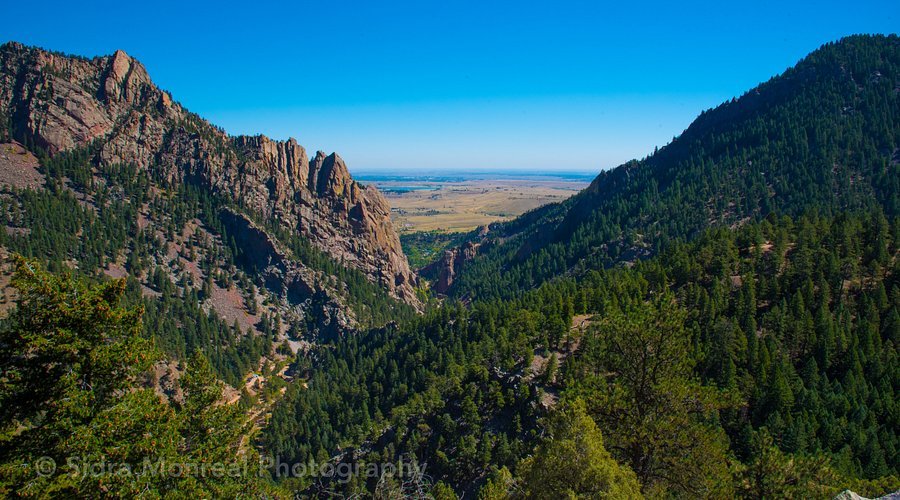
El Dorado State Park is one of Kansas’s largest and most versatile outdoor recreation areas. Spread around El Dorado Reservoir in the Flint Hills region, the park combines open water, wooded coves, prairie landscapes, campgrounds, trails and excellent access for boating and fishing.
It is especially popular with campers and water-sports visitors, but there is enough variety to make it worthwhile for hikers, wildlife watchers and families looking for a full day outdoors.
El Dorado State Park at a glance
- Location: near El Dorado, Kansas
- Best for: boating, fishing, camping, hiking and wildlife
- Main feature: El Dorado Reservoir
- Park setting: prairie, woodland, shoreline and lake
- Visit length: half day to several days
Why visit El Dorado State Park?
The park’s biggest advantage is space. Rather than feeling like one compact recreation area, El Dorado is divided into several sections around the reservoir. That gives visitors access to different campgrounds, boat ramps, beaches, picnic areas and stretches of shoreline.
The reservoir itself is the focus for many visitors. Boating, kayaking, sailing and fishing are common throughout the warmer months, while the surrounding land offers quieter areas for hiking, birding and camping.
Boating and lake activities
El Dorado Reservoir is large enough for a wide range of boating. Multiple launch areas make it convenient for visitors bringing their own boats, while calmer coves are better suited to paddling.
Wind can become strong on open water, so kayakers and smaller craft should check conditions before heading far from shore. Life jackets and standard Kansas boating regulations apply.
Fishing
The reservoir is one of the main fishing destinations in the region. Depending on season and conditions, anglers may target species such as crappie, catfish, largemouth bass, white bass and walleye.
A valid Kansas fishing license is generally required for anglers who are not exempt. Regulations and limits can change, so check current Kansas Department of Wildlife and Parks information before fishing.
Hiking, biking and wildlife
Trails and unpaved routes around the park pass through grassland, woodland and shoreline habitat. The terrain is generally approachable, although summer heat and wind can make exposed sections more demanding than expected.
Wildlife commonly seen in the area includes deer, wild turkey, waterfowl and numerous prairie and woodland bird species. Early morning and late afternoon are usually the best times for wildlife watching.
Camping
Camping is one of the park’s strongest attractions. El Dorado has multiple camping areas with a mixture of utility sites and more basic options. Because the park is spread across several sections, choosing a campground near the activity you care about most can save considerable driving.
Busy weekends and holiday periods can fill popular sites, so reservations are recommended when available.
Best time to visit
Spring and fall are excellent for hiking, camping and fishing because temperatures are more comfortable. Summer is ideal for boating and lake activities but can be hot, particularly in exposed areas. Winter is much quieter and can still be good for wildlife watching and fishing, depending on conditions.
Practical tips
- Bring sun protection: many shoreline and prairie areas have limited shade.
- Carry drinking water, especially during summer.
- Choose your recreation area before arriving because the park covers a large area.
- Check current lake levels, weather and boating conditions.
- Reserve camping ahead for peak weekends.
- Verify current vehicle permits, camping fees and fishing requirements on the official site.
Is El Dorado State Park worth visiting?
Yes, particularly if you enjoy camping, boating or fishing. It is not a park built around one famous viewpoint; its appeal comes from the combination of water, open space and multiple recreation areas. For travelers crossing Kansas, it is also an easy place to spend a relaxed outdoor day away from urban areas.
Official information
For current fees, camping reservations, regulations and alerts, visit the official Kansas Department of Wildlife and Parks page.
Visitor information should always be checked before travel because fees, water conditions and facility availability can change.

