
Mammoth Cave National Park, Kentucky: Complete Visitor Guide
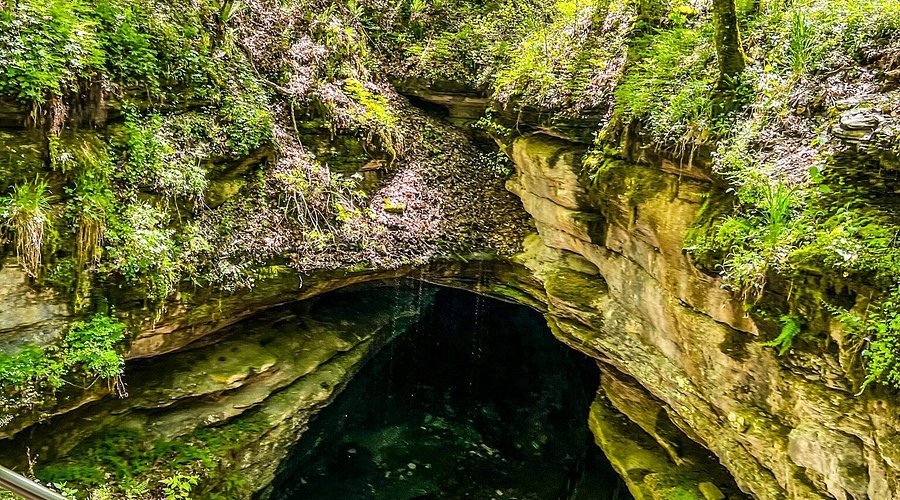
Mammoth Cave National Park protects the longest known cave system on Earth and a large forested landscape above it. Located in central Kentucky, the park is famous for underground passages, historic cave routes and ranger-led tours, but visitors can also hike, camp, paddle and explore the Green and Nolin river corridors.
The cave is the main attraction, but the park works best when you allow time for both the underground and surface landscapes.
Mammoth Cave National Park at a glance
- Location: central Kentucky
- Best known for: the world’s longest known cave system
- Best for: cave tours, hiking, camping, history and paddling
- Visit length: one full day minimum; two days is better
- Entrance: surface access is generally free, while cave tours are ticketed
Why Mammoth Cave is special
Mammoth Cave contains hundreds of miles of surveyed passages, with new connections still being documented. The cave has been used by people for thousands of years and later became an important tourism destination in the 19th century.
Its importance is not only geological. The park is both a UNESCO World Heritage Site and an International Biosphere Reserve, reflecting the value of its underground ecosystem and surface environment.
Cave tours
The best way to experience Mammoth Cave is on an official cave tour. Tours vary substantially in length, difficulty and character. Some focus on large historic passages, while others involve more stairs, narrower routes or longer underground walks.
Popular tours can sell out well in advance, especially during summer, weekends and holidays. Booking before arrival is strongly recommended. Visitors should also read the physical requirements carefully because some routes involve hundreds of steps and uneven surfaces.
What to expect underground
The cave stays cool throughout the year, so a light jacket is useful even during hot Kentucky summers. Shoes with good traction are preferable because surfaces can be damp and irregular.
Photography rules and permitted equipment vary by tour. Food, large bags and certain items may be restricted to protect the cave environment.
Hiking and surface activities
Above ground, Mammoth Cave National Park contains forests, sinkholes, river valleys and miles of hiking trails. Short walks near the visitor center are suitable for casual visitors, while longer backcountry routes provide a much quieter experience.
The Green River and Nolin River are also used for paddling and fishing. Conditions can vary with water level and weather, so river users should check current information before setting out.
Camping
The park offers developed camping as well as backcountry options. Staying overnight makes it easier to combine a morning cave tour with afternoon hiking or river activities without rushing.
Reservations are advisable during busy periods, and some backcountry activities require permits.
Best time to visit
The cave itself can be visited year-round, making Mammoth Cave less seasonal than many national parks. Spring and fall are particularly pleasant for hiking. Summer has the widest range of visitor services but also the largest crowds. Winter is quieter, although tour schedules may be reduced.
Practical tips
- Reserve cave tours in advance.
- Arrive early enough to park, check in and reach the tour meeting point.
- Wear sturdy footwear.
- Bring a light layer for underground temperatures.
- Do not assume every cave tour is suitable for young children or people with limited mobility.
- Allow time for surface trails as well as the cave.
Is Mammoth Cave National Park worth visiting?
Absolutely. Even visitors who have explored other caves will find Mammoth Cave distinctive because of its enormous scale, history and variety of tour routes. Combining a cave experience with the forest and river landscape makes the park much more complete than a simple underground attraction.
Official information
For current cave tours, ticket availability, closures and camping information, visit the official National Park Service website.

