
Theodore Roosevelt National Park, North Dakota: Complete Visitor Guide
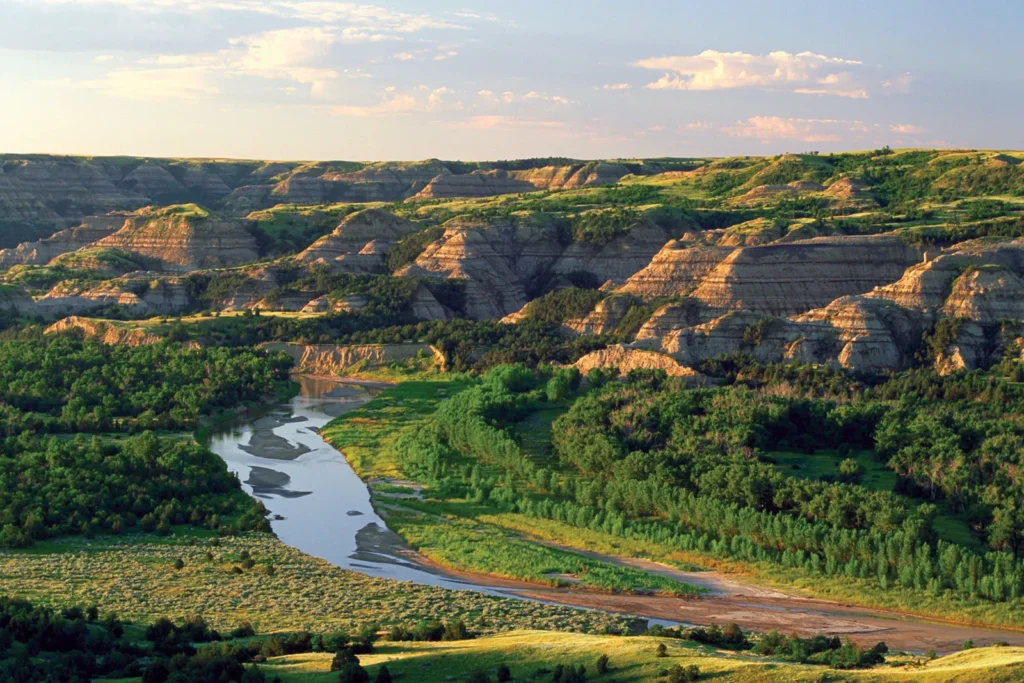
Theodore Roosevelt National Park protects some of the most dramatic badlands scenery in the northern Great Plains. Spread across three separate units in western North Dakota, the park combines colorful eroded hills, open prairie, wildlife and the ranching history that helped shape Theodore Roosevelt’s conservation ideas.
It is a quieter national park than many western icons, which makes it especially rewarding for visitors who want expansive landscapes without constant crowds.
Theodore Roosevelt National Park at a glance
- Location: western North Dakota
- Best for: scenic drives, wildlife, hiking and history
- Main wildlife: bison, prairie dogs, deer and wild horses
- Main units: South Unit, North Unit and Elkhorn Ranch area
South Unit
The South Unit, near Medora, is the most commonly visited section. Scenic roads and overlooks provide excellent views into the badlands, while trailheads offer everything from short walks to longer backcountry routes.
Bison and prairie dog towns are common sights, but visitors should always keep a safe distance from wildlife.
North Unit
The North Unit is more remote and often quieter. Its scenic road leads to broad viewpoints above the Little Missouri River and rugged badlands formations.
If time allows, visiting both major units gives a much stronger sense of the park’s scale and variety.
Roosevelt history
Theodore Roosevelt came to the Dakota Territory as a young man and ranched in the region. The landscape had a lasting influence on his ideas about conservation. The Maltese Cross Cabin can be seen near the South Unit Visitor Center, while the Elkhorn Ranch site preserves the location of his principal ranch.
Best time to visit
Late spring through early fall offers the easiest access and longest days. Summer can be hot, and thunderstorms can develop quickly. Winter is quiet and beautiful but brings cold temperatures and reduced services.
Practical tips
- Give bison much more space than you think they need.
- Carry water; exposed trails offer little shade.
- Check road conditions before visiting either unit.
- Fuel up before heading into remote areas.
- Allow several hours for scenic drives because wildlife often slows traffic.
Is Theodore Roosevelt National Park worth visiting?
Yes. It combines accessible wildlife viewing, unusual geology and important American history in one of the least crowded major landscapes of the West.
Official information
For current roads, fees, weather and alerts, visit the official National Park Service website.

