
Great Smoky Mountains National Park, North Carolina: Complete Visitor Guide
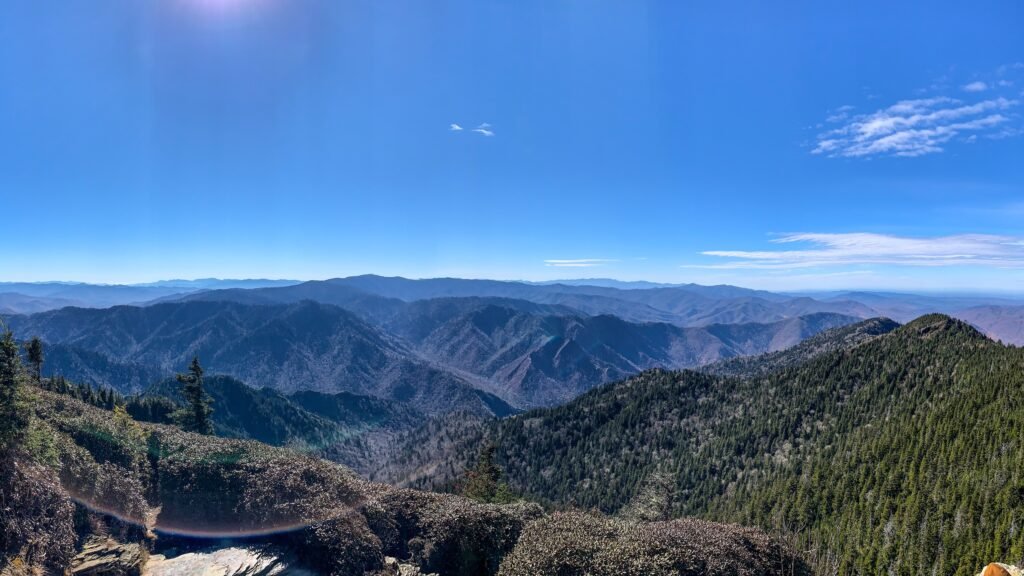
Great Smoky Mountains National Park straddles the border between North Carolina and Tennessee and protects a huge landscape of forested ridges, waterfalls, historic buildings and some of the richest biodiversity in the eastern United States.
It is America’s most visited national park, but visitors who plan beyond the most famous roadside stops can still find quieter trails and mountain valleys.
Great Smoky Mountains at a glance
- States: North Carolina and Tennessee
- Best for: hiking, waterfalls, wildlife, scenic drives and history
- Landscape: Southern Appalachian Mountains
- Visit length: one day to a week
Entering from North Carolina
Cherokee is the main gateway on the North Carolina side. From there, Newfound Gap Road climbs through changing forest zones toward the state line and provides access to overlooks and trailheads.
The Oconaluftee area is also known for historic structures and frequent elk sightings. Wildlife should always be observed from a safe distance.
Hiking and waterfalls
The park contains hundreds of miles of trails, from short nature walks to major backcountry routes. Popular destinations include waterfalls, ridge viewpoints and sections of the Appalachian Trail.
Conditions can change quickly with elevation. Rain, fog and rapidly falling temperatures are common, so hikers should carry layers and rain protection.
Scenic drives
Newfound Gap Road is the classic cross-park drive. Other routes lead into valleys and quieter corners of the park, though seasonal or weather-related closures can affect access.
Wildlife and history
Black bears are the park’s best-known animals, while elk are particularly visible on the North Carolina side. Historic cabins, churches and farm buildings preserve elements of Southern Appalachian culture.
Best time to visit
Spring is excellent for wildflowers and waterfalls. Summer is green and busy. Fall foliage draws major crowds, while winter is quieter but can bring snow and road closures at higher elevations.
Practical tips
- Check parking requirements and current road conditions.
- Never approach or feed bears or elk.
- Start popular hikes early.
- Expect limited cell service in many areas.
- Carry rain gear year-round.
Is Great Smoky Mountains worth visiting?
Yes. Its combination of scenery, biodiversity and cultural history makes it one of the most complete national park experiences in the eastern United States.
Official information
For current road conditions, parking information and safety updates, visit the official National Park Service website.

