
Voyageurs National Park, Minnesota: Complete Visitor Guide
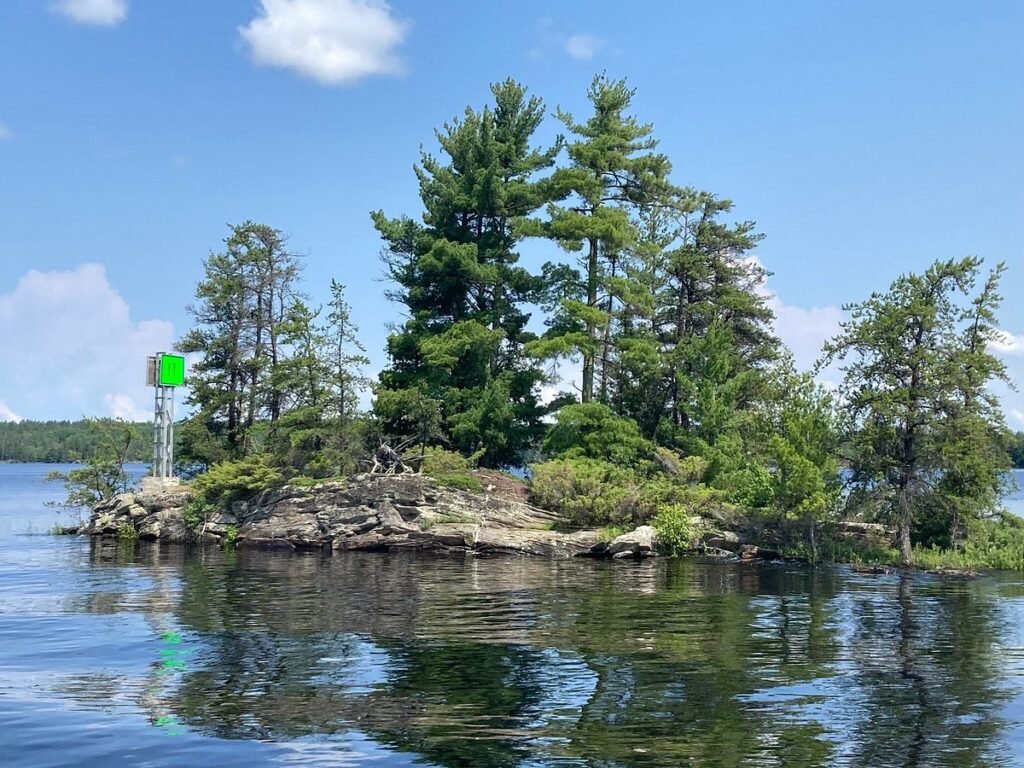
Voyageurs National Park is one of the most water-focused national parks in the United States. Located in northern Minnesota near the Canadian border, the park is built around a network of large lakes, islands, rocky shorelines and boreal forest.
Unlike parks designed primarily around roads, Voyageurs is best experienced by boat. That makes planning a little different, but it also gives the park a remote character that is difficult to find elsewhere in the Midwest.
Voyageurs National Park at a glance
- Location: northern Minnesota
- Best for: boating, paddling, fishing, camping, houseboats and wildlife
- Main feature: interconnected lakes and islands
- Visit length: one to four days
- Entrance: there is generally no entrance fee, though camping and other services may require reservations or permits
Why Voyageurs is different
Water is the park’s main transportation network. Large lakes such as Rainy, Kabetogama, Namakan and Sand Point form the core of the landscape, and many campsites and scenic areas can only be reached by boat.
The park takes its name from the French-Canadian voyageurs who traveled these waterways during the fur-trade era.
Boating and paddling
Motorboats, canoes and kayaks are all common ways to explore the park. Visitors without their own boat can use commercial services, rentals or guided options available in nearby gateway communities.
Weather can change quickly on the larger lakes. Wind and waves may become significant, so smaller craft should stay aware of forecasts and route distances.
Camping
Many Voyageurs campsites are accessible only by water, which is a major part of the experience. Reservations and permits are important, and campers need to plan transportation, food storage and weather protection carefully.
Houseboating is another popular way to stay inside the park and allows visitors to combine transportation and accommodation.
Hiking and land-based activities
Although water dominates the park, several trails can be reached from visitor areas and road-accessible sections. These provide forest walks, lake viewpoints and wildlife opportunities for travelers who are not boating every day.
In winter, frozen lakes transform the park and support activities such as snowshoeing, cross-country skiing and snowmobiling in designated areas.
Wildlife
Voyageurs supports black bears, white-tailed deer, beavers, otters, bald eagles and other northern species. Wolves also inhabit the wider ecosystem, though sightings are uncommon.
Because food and campsites may be remote, visitors should follow current food-storage guidance closely.
Best time to visit
Summer is the main boating season and offers the widest range of services. Early fall brings cooler weather and changing foliage. Winter offers a completely different experience once ice conditions are safe, while spring can be wet and buggy.
Practical tips
- Plan transportation before booking a remote campsite.
- Carry navigation tools and check weather forecasts.
- Bring insect repellent in summer.
- Reserve popular campsites or houseboats early.
- Use life jackets and follow boating regulations.
- Check current water, ice and fire conditions before travel.
Is Voyageurs National Park worth visiting?
Yes, especially for travelers who enjoy lakes and want a more self-directed national park experience. It requires more planning than a drive-through park, but that effort is rewarded with quiet campsites, open water and a strong sense of wilderness.
Official information
For current permits, camping, maps, boating guidance and alerts, visit the official National Park Service website.

